


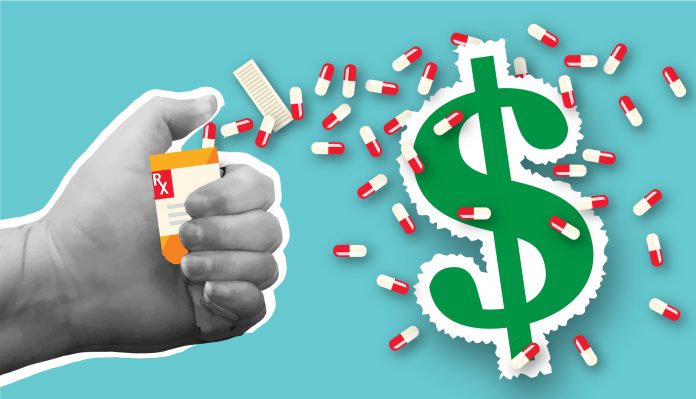

The Pharmacy Guild of Australia is urging the Federal Government to maintain the $25 cap on Pharmaceutical Benefits Scheme (PBS) prescriptions, warning Australians could face rising medicine costs without intervention in the upcoming Budget.
In a statement released this week, Pharmacy Guild of Australia National Vice President Simon Blacker said “affordable medicines were not optional when Australians were already managing uncertainty around the price of fuel, groceries and other essentials”.
“When medicines become more expensive, people delay or skip treatment — and that leads to poorer health outcomes and higher costs down the track,” he said.
From January 2026, the maximum cost of a PBS prescription for general patients was reduced to $25, reportedly delivering more than $50 million in savings to date.
“Patients have already saved more than $50 million since prescriptions were made cheaper in January, and that relief matters more than ever in uncertain times,” Mr Blacker said.
However, without government action, the Guild says PBS prices could rise above $50 and “will begin rising again from January next year in line with inflation”.
In its pre-Budget submission, the Guild is calling for a co-payment “freeze until 2030” to “protect access to essential medicines during ongoing economic uncertainty”.
“Freezing the PBS co‑payment until 2030 keeps medicines affordable and gives patients the certainty they need when cost‑of‑living pressures remain high,” Mr Blacker said.
“It’s exactly the kind of measure Australians expect to see in the Budget — targeted, progressive and not inflationary.
“Medicine isn’t a discretionary expense.
“Australians should not be penalised for needing regular treatment, and community pharmacists see every day how affordable medicines support healthier households and healthier communities.
“We know that one in five Australians has skipped a prescription because of cost, and when people delay treatment, their health suffers, and costs escalate later.
“The Government can and must include a freeze on prescription price increases in its budget,” Mr Blacker said.


